Patented EV Technology
for the Global Market
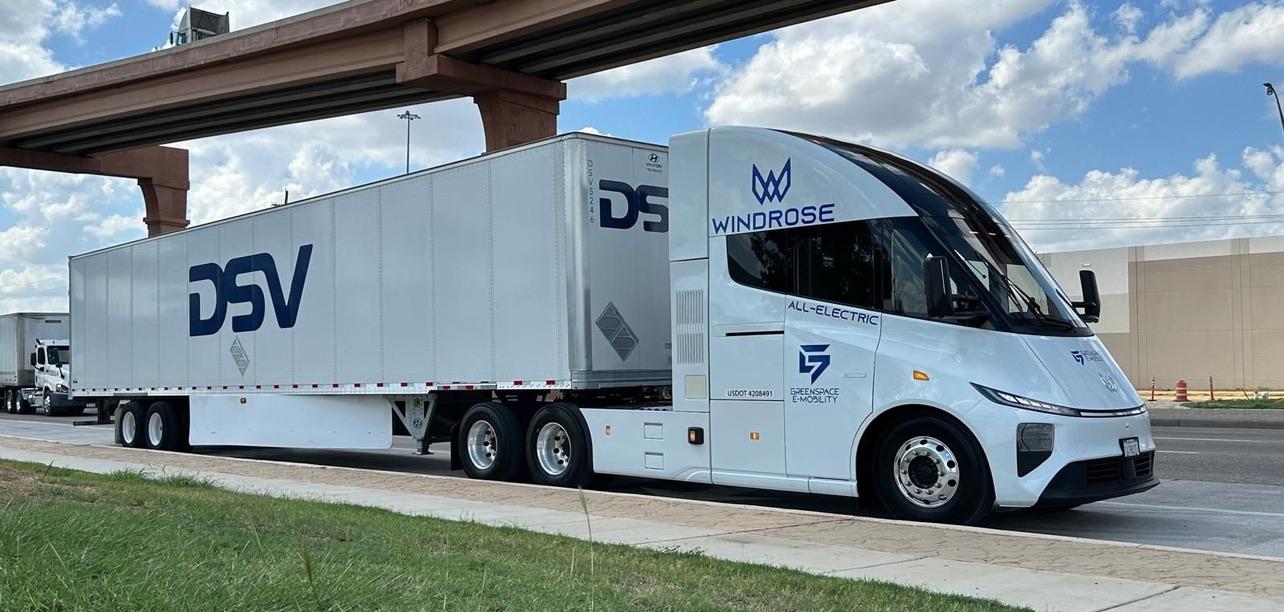
E700 Electric Truck · Drag to rotate · Scroll to zoom
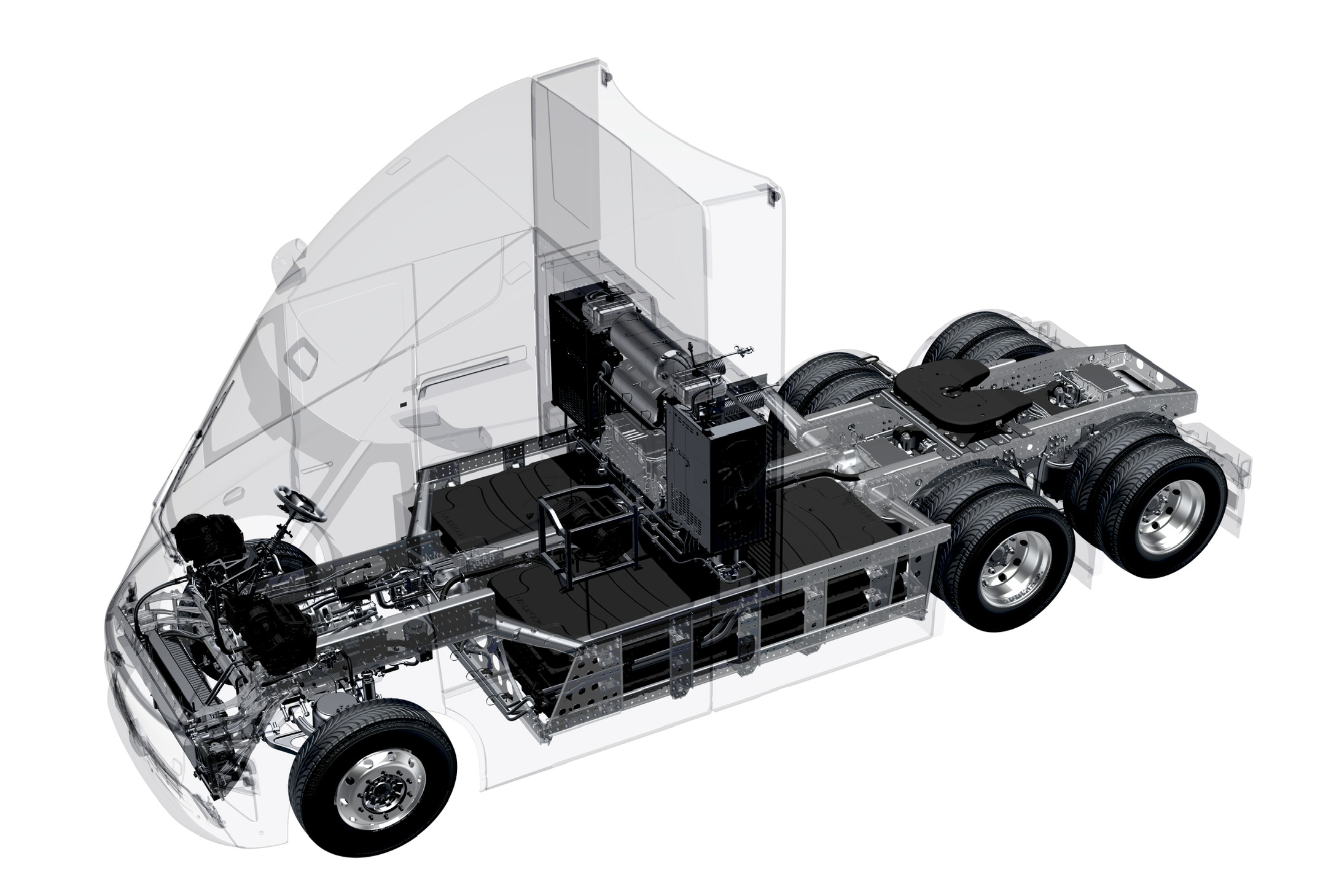
Platform Architecture
- 26,455 lbTotal tractor weight
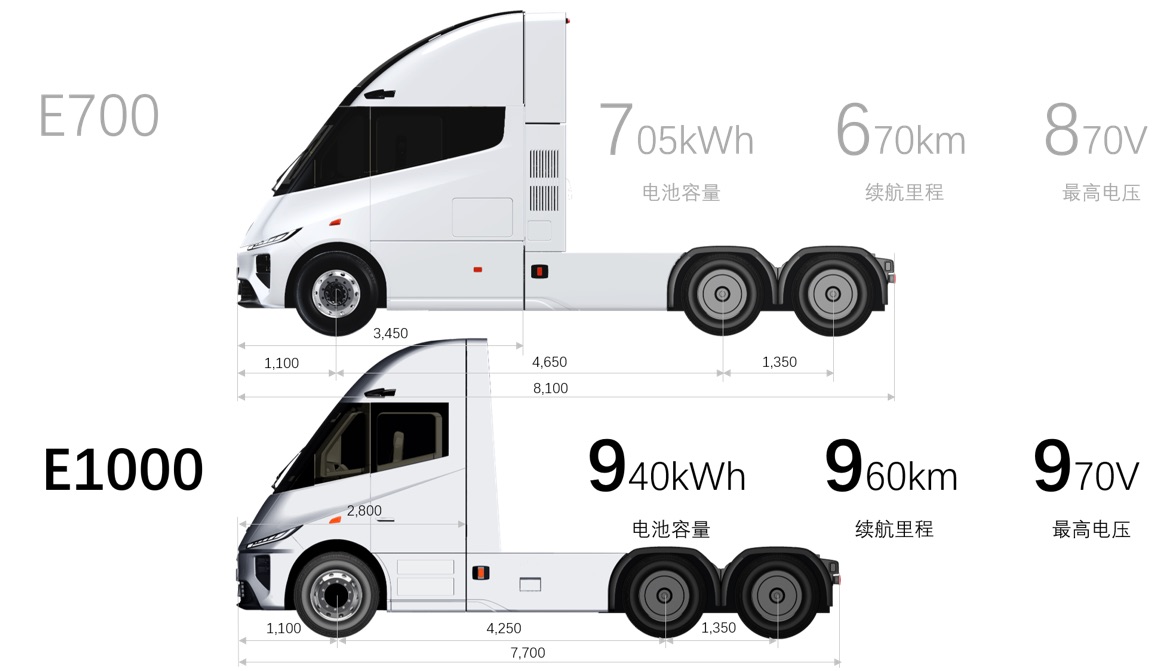
- 705 kWhTotal battery capacity
- ✓US-patented design
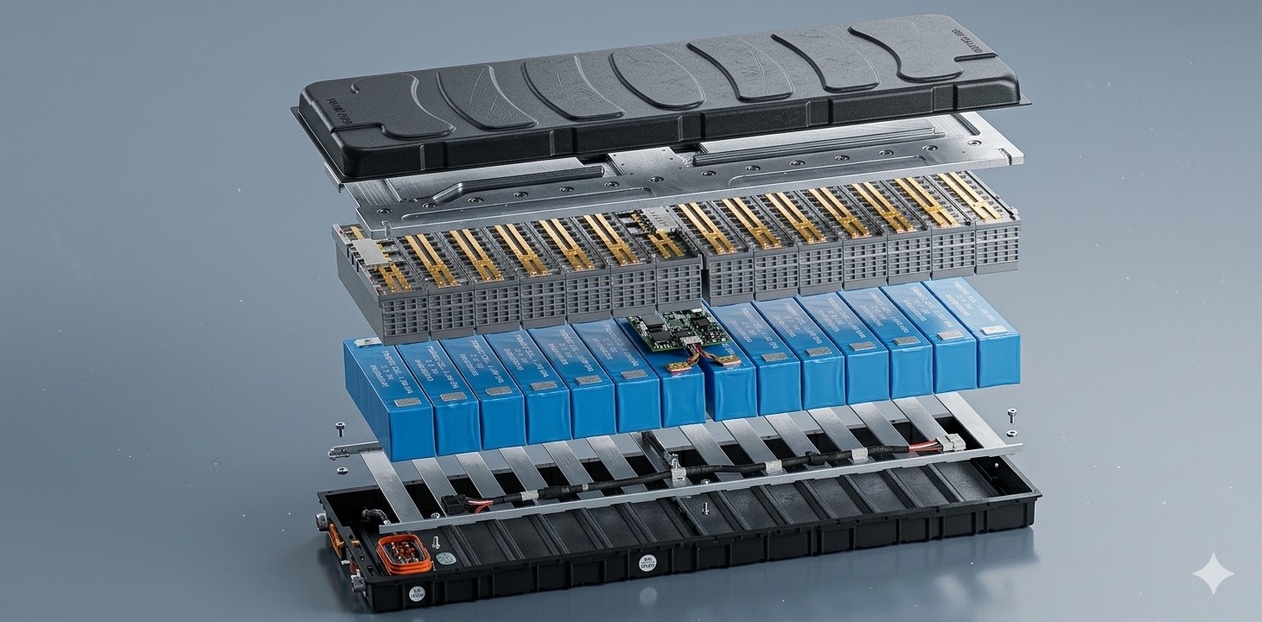
Energy Storage
- 10,000+Full charge cycles
- ✓Proprietary design
- 870 kWMax charging power
- ✓MCS + CCS compatible
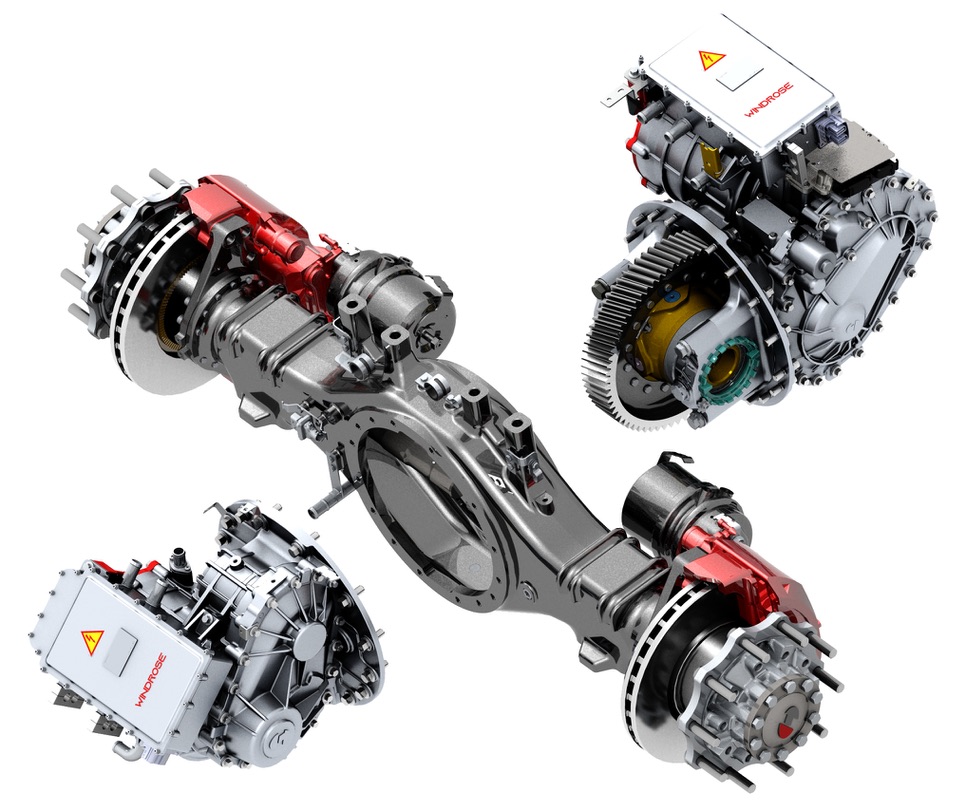
Powertrain
- 1,045 kWPeak power
- 1,400Horsepower
Granted Patents
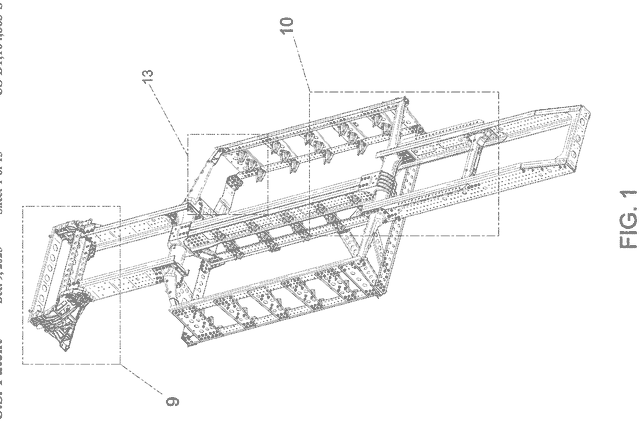
U.S. Design
US D1,104,863 S
Truck Frame & Chassis
The distinctive visual shape of the Windrose chassis frame and structural underbody.
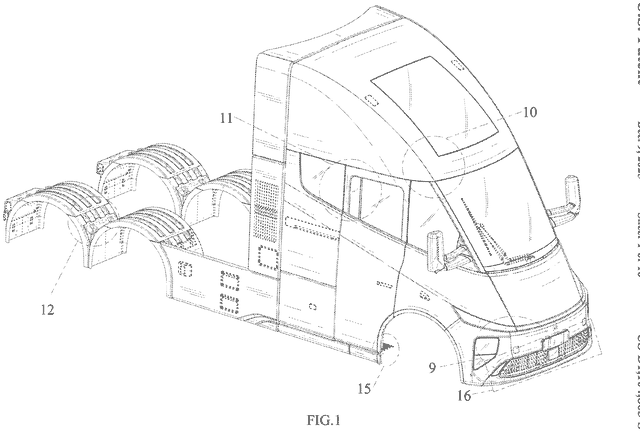
U.S. Design
US D1,104,865 S
Semi-Truck Body / Cab
The exterior styling of the cab and body — the truck's overall visual identity.
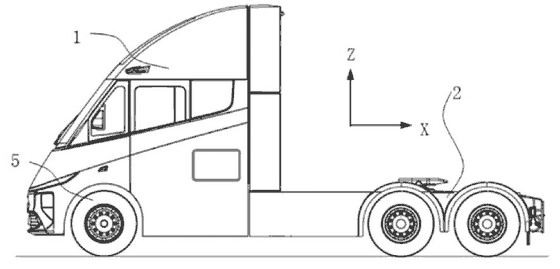
Chassis & Frame
Flagship · PCT + US pending
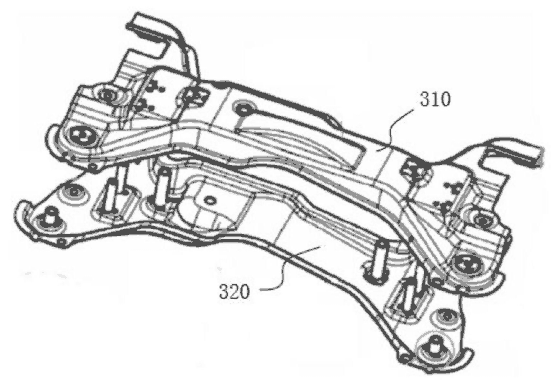
CN 119611032
Battery-Pack Frame Structure
Battery pack integrated into a load-bearing frame — the structural core of the platform.
Chassis & Frame
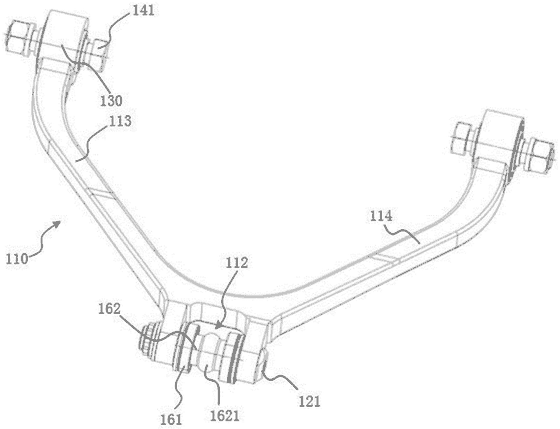
CN 115432065 B
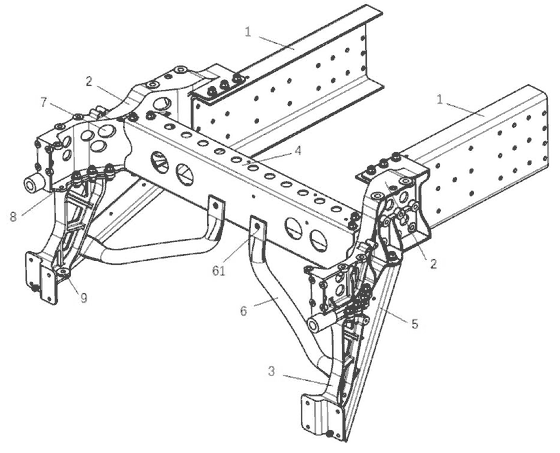
Front Subframe Assembly
A modular front subframe enabling serviceability and platform flexibility. First invention grant.
Chassis & Frame
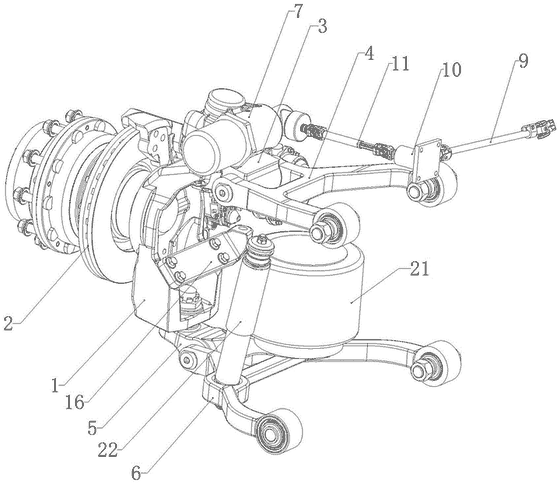
CN 115635812 B
Control-Arm Independent Suspension
Swing-arm design enabling a multi-ton front axle to run fully independent suspension.
Chassis & Frame
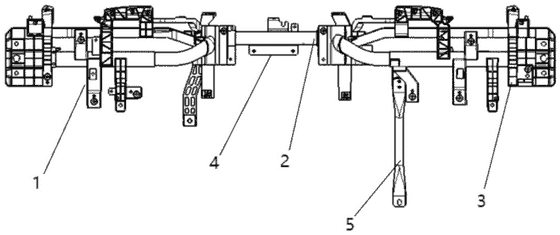
CN 116395043 B
Lightweight Tube-Beam Frame
Tubular cross-members replacing conventional stamped-and-riveted frame beams, reducing mass.
Steering & Suspension
CN 115648872 B
Redundant Electric Steering & Air-Spring IFS
Dual electric steering actuation with double-wishbone air-spring independent suspension — a prerequisite for ADAS and autonomous operation.
Thermal Management
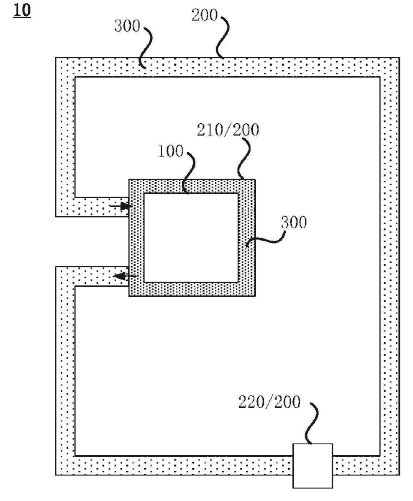
CN 119696217 B
Drive-Motor Cooling System
Liquid-cooling circuit for traction motors enabling sustained high-power output in heavy-duty cycles.
Thermal Management
CN 116461321 B
Cooling-Fan Assembly
Fan-and-shroud module optimising heat-exchanger airflow across the full thermal load range.
Software & Controls
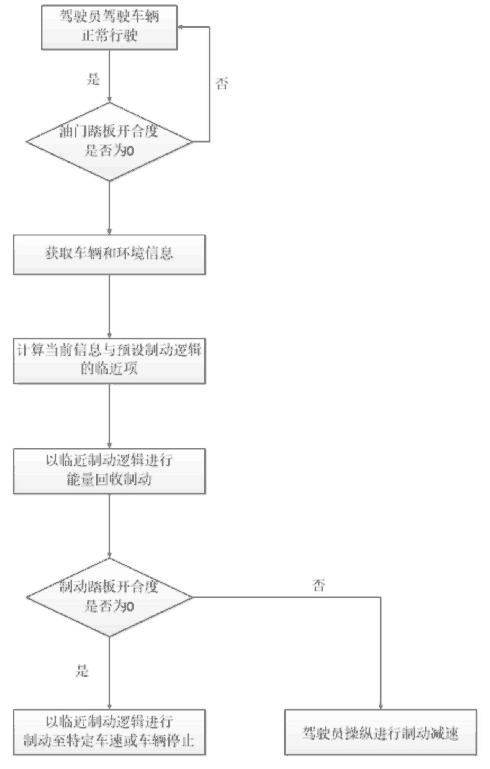
CN 115782599 B
ML-Based Energy Recovery
Learned model for regenerative braking that adapts to route, load, and driving conditions to maximise energy recovery.
Software & Controls
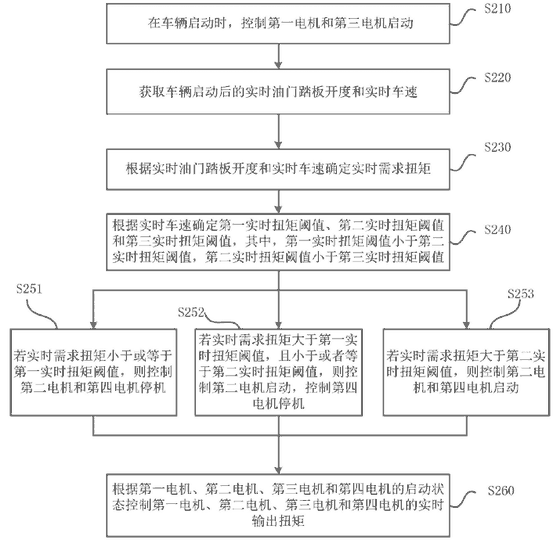
CN 119611092 B
Drive-Torque Distribution
Real-time torque split between multiple drive motors for traction, stability, and efficiency across all load conditions.
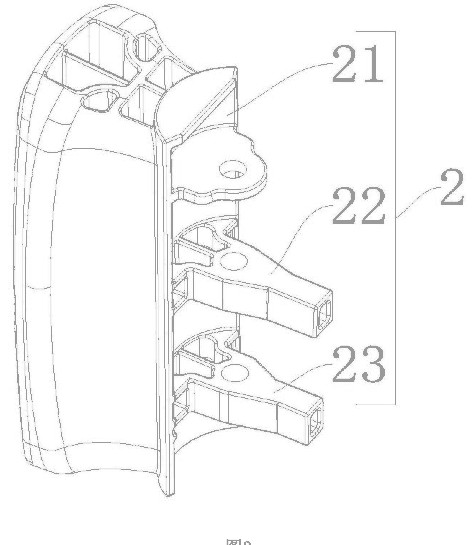
Cab & Interior
CN 116905917 B
Door Inner-Handle Assembly
Interior door-handle unit with integrated locking mechanism designed for ergonomics and durability.